Skip to content
SHORTSTONE

Capabilities

If your business runs on it, we have probably built something like it.

Core banking and lending. Manufacturing ERP. Group finance. Property management. A consumer marketplace. These are complete systems we have designed and engineered, and the same team can build yours.

  • 5

    kinds of system built

    across 5 industries

  • 50%+

    faster loan processing

    Loan Management Platform

  • 40%

    increase in collections

    Legacy Properties

  • 5 days

    off the month-end close

    Financial Tools & Reconciliation Dashboards

What we've built

Five kinds of system. All of them real.

Each one is a complete product, taken from a blank page to working software. Open any of them to see the build.

What we can build for you

Four ways we work, from one team.

Custom Platforms

When the way you operate is the thing that sets you apart, packaged software forces a compromise. We design and build complete platforms around your own processes, rules and data, from the first workflow to the last report.

  • Financial technology platforms
  • Loan origination and management systems
  • Multi-module business platforms
  • Product development from concept to production

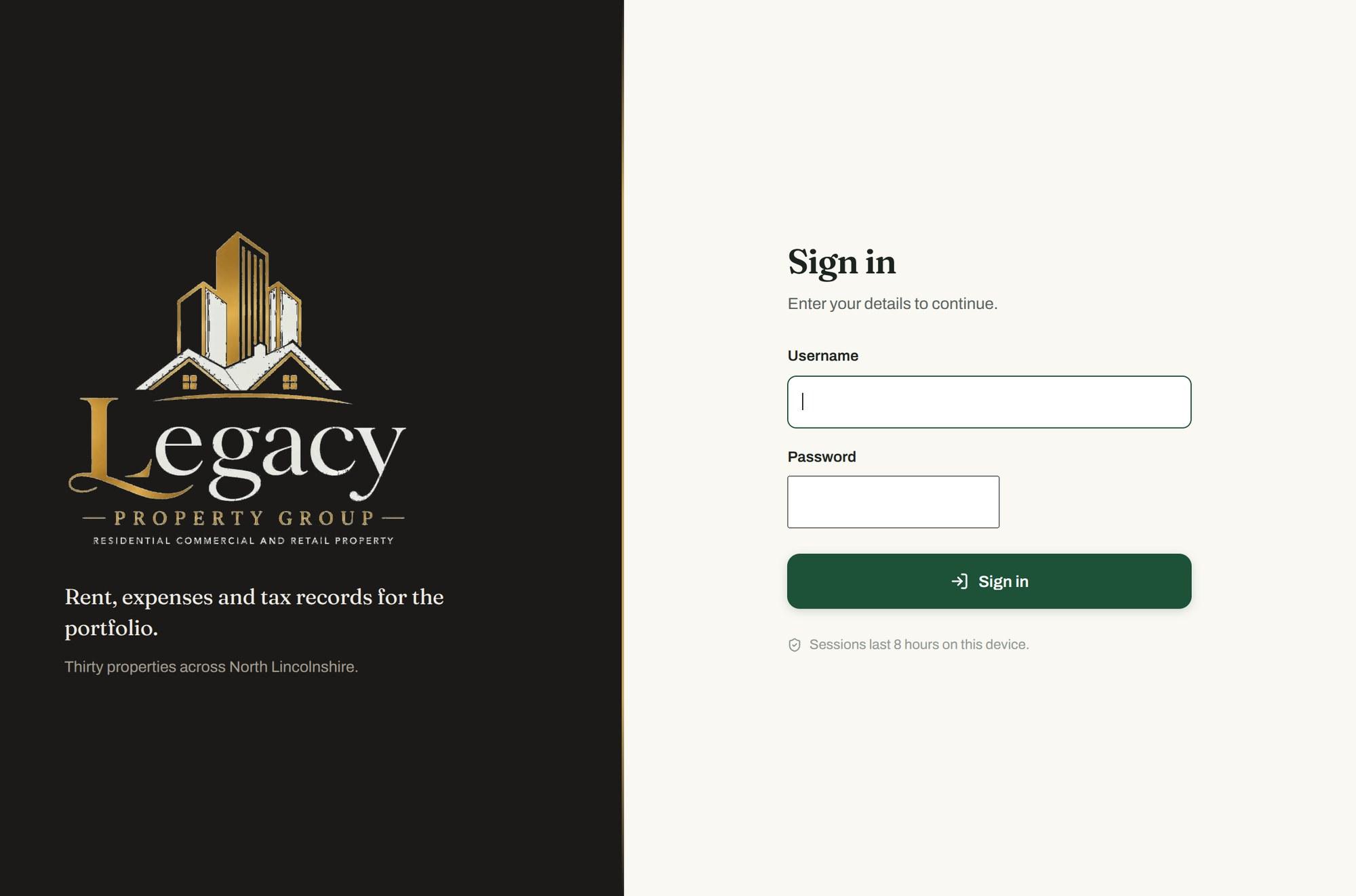
Proven in Loan Management Platform and Legacy Properties.
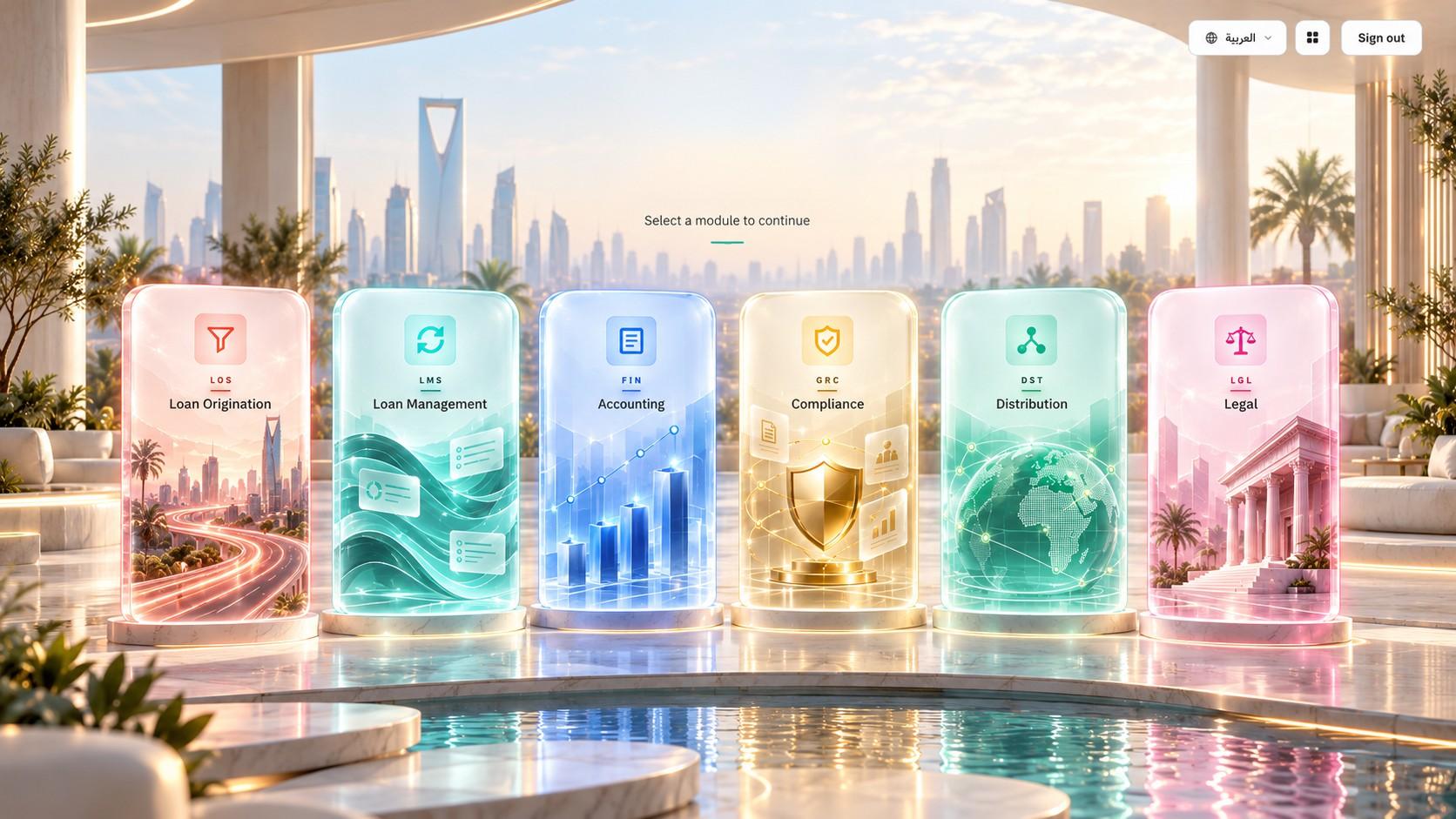
Module selection screen with six modules: Loan Origination, Loan Management, Accounting, Compliance, Distribution and Legal.

Enterprise Systems

The systems a business runs on every day. We build ERPs, accounting and operational software that reflect how the organisation really works, and connect them to the systems already in place.

  • Accounting, ERP and operational systems
  • Business workflow and process automation
  • Custom dashboards and financial reporting
  • Complex systems integrations

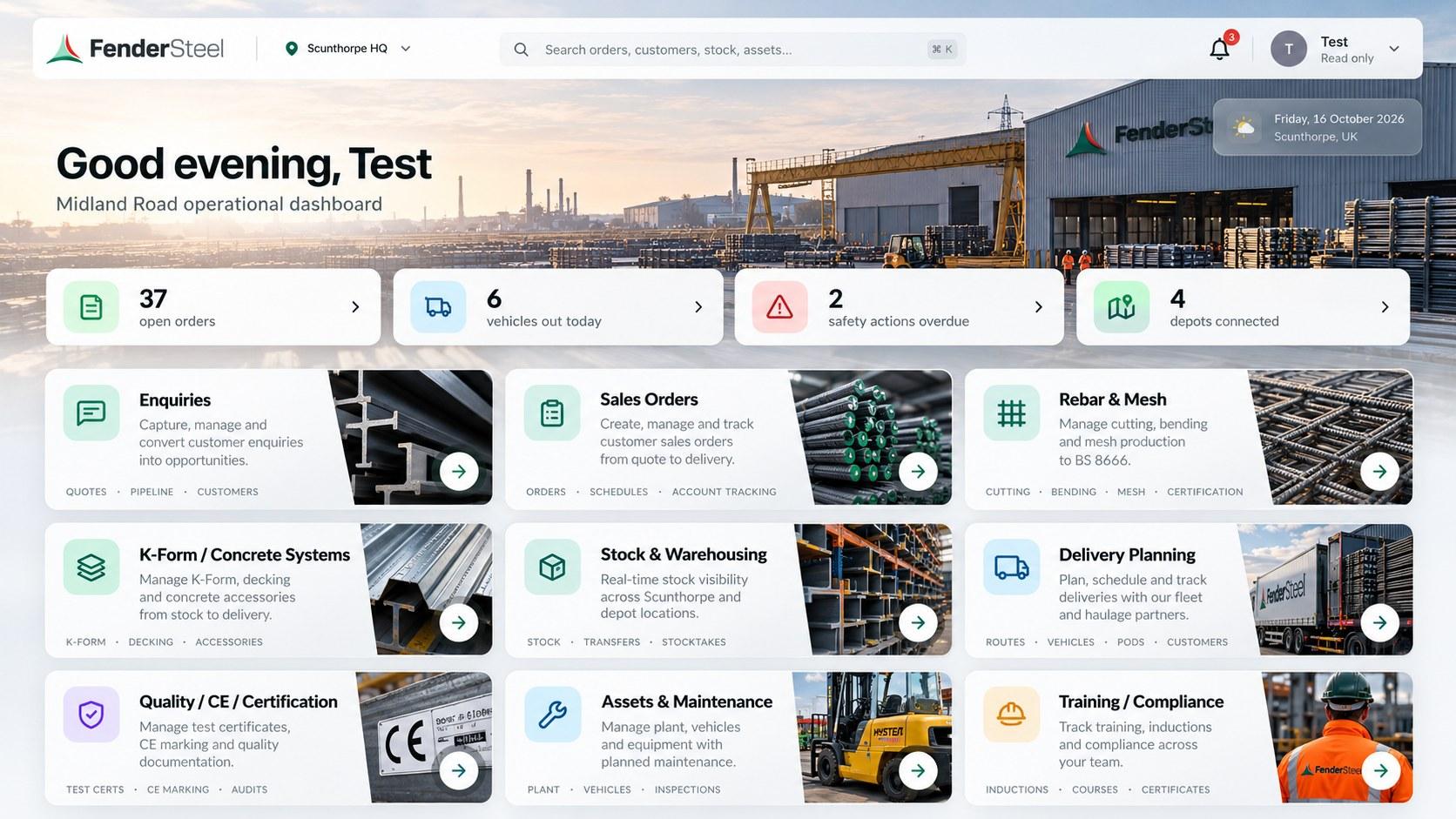
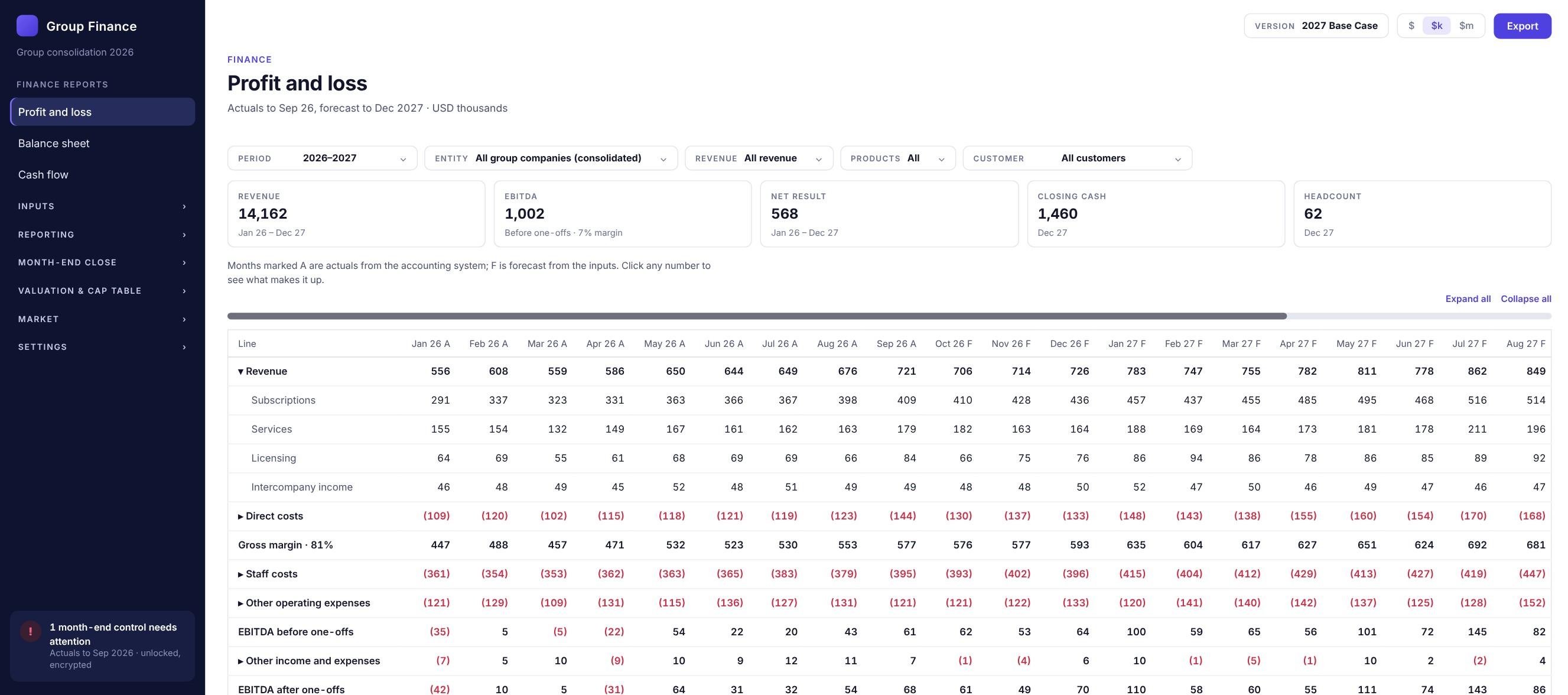
Proven in Fender Steel and Financial Tools & Reconciliation Dashboards.

Fender Steel operational dashboard with open orders, vehicles out, safety actions and depots, above nine modules from Enquiries to Training and Compliance.

Applied AI & Automation

AI is useful when it removes a real step from a real process. We put it inside the workflow, with the checks and human review that a business process needs, rather than bolting a chatbot onto the side.

  • AI-powered applications
  • Automation of repetitive operational work
  • Human review built into automated steps
  • Intelligent features inside existing systems

Digital Products

Products your customers use directly. We take them from concept through design and engineering to launch, with the same rigour we bring to back-office systems.

  • Customer-facing web platforms
  • Customer and partner portals
  • Marketplaces
  • Scalable consumer applications

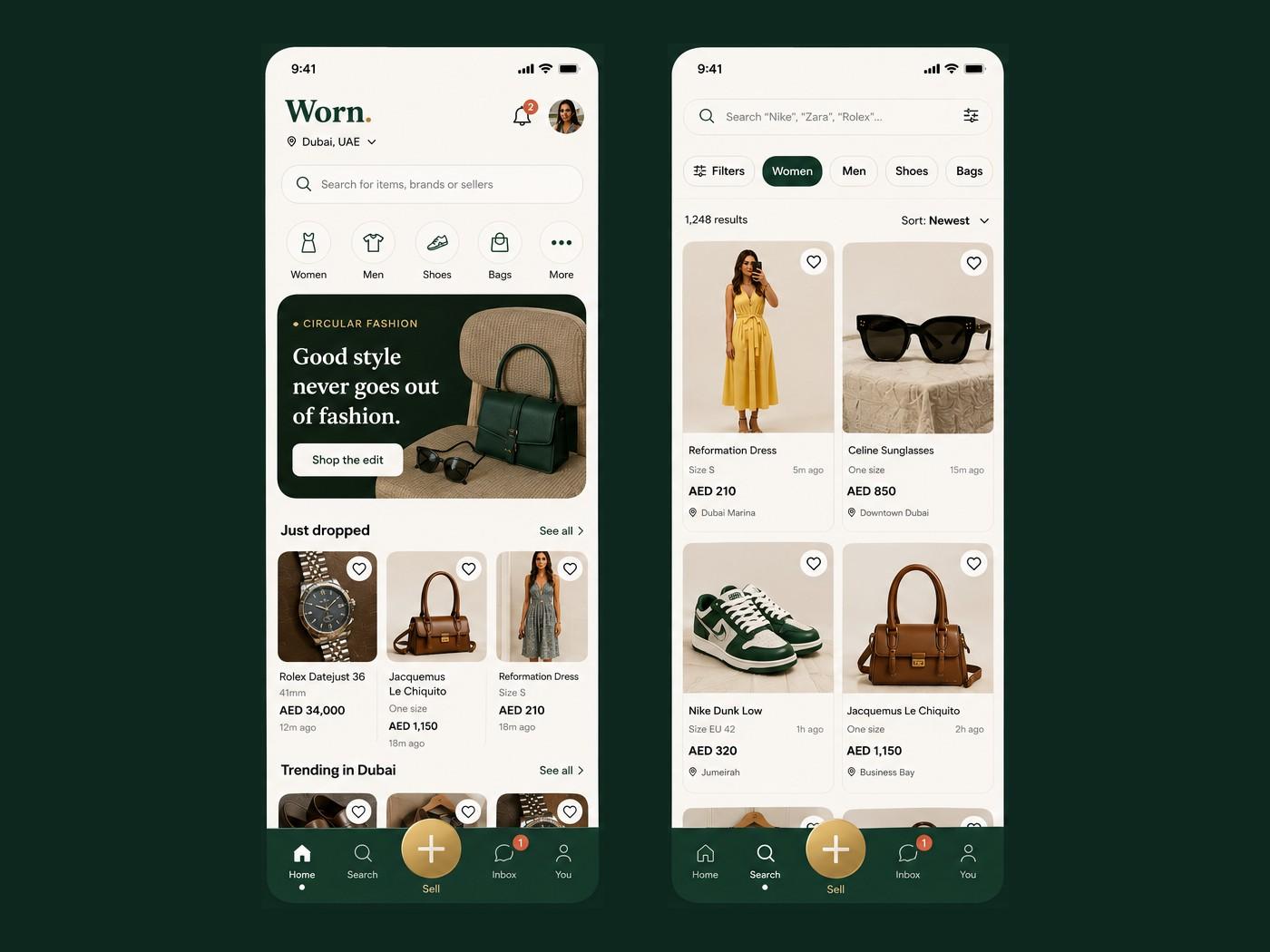
Proven in Worn.

Worn home and search screens side by side on two phones.

Where we've worked

Different industries. The same hard problems.

A lender, a steel business and a landlord look nothing alike until you map how they work. Then it is the same things every time: approvals, money, records, exceptions and reporting. That is why what we learn in one sector carries into the next, and why yours is unlikely to be the exception.

  • Financial services
  • Manufacturing
  • Property
  • Consumer marketplaces
  • Group finance
  • Not on the list? Most of what we build started that way.

Engineering standards

The same standards on every build.

  • Security from the first commit

    Access control, data protection and audit trails are part of the design, not a later phase.

  • Integration with what you have

    New software has to work with the banks, ledgers and tools the business already depends on.

  • Tested and documented

    Systems are handed over with the tests and documentation needed to run and extend them.

  • Built to change

    Businesses move. We structure systems so that new requirements don't mean starting again.

How a project runs

From first conversation to production.

We start with the business, not the backlog.

Before anything is designed, we learn how the work actually gets done: who does what, where the controls sit, which exceptions cause the trouble. The aim is a shared, written understanding of the problem.

What this stage produces

  • Process and requirements map
  • Agreed scope and priorities
  • Known risks and constraints

Tell us what your business needs to do.

Tell us what you're trying to build or fix. You'll hear back from the person who would lead the work, with questions rather than a sales deck.